
NEBOSH transformed my view of safety from compliance on paper to leadership in action
Case Study: Mohamed Farrag
NEBOSH Diplomate Mohamed Farrag is a QHSE Manager for Nabors Industries in Saudi Arabia. In this interview, he shares his advice for those looking to break into the profession and highlights the important role that innovation and digitalisation play in modern QHSE.
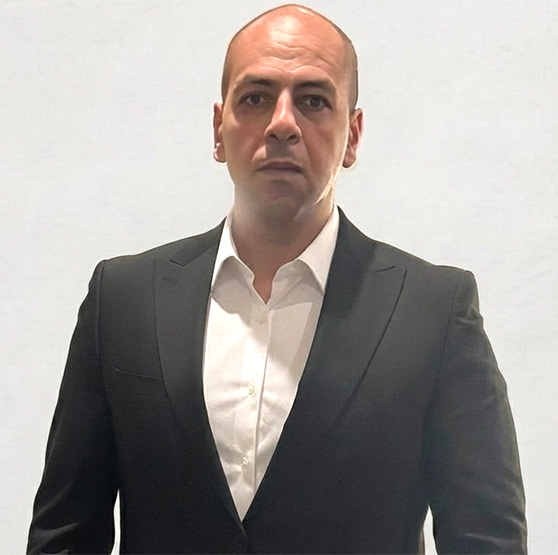
When did you decide you wanted to build your career in health and safety, and how did you make it happen?
I decided to pursue a career in health and safety early in my professional life while working in high-risk oil and gas operations, where I saw first-hand how strong safety leadership can prevent serious incidents and protect lives. I built my career deliberately by gaining both operational experience and formal qualifications. While in frontline roles, I progressed through NEBOSH certifications, continuously applying learning directly in the field to drive real performance improvements.
You studied for your first NEBOSH qualification, the NEBOSH International General Certificate in Occupational Health and Safety, with Gold Learning Partner Greenworld Group, and passed in 2014. Why did you choose it?
I chose the NEBOSH International General Certificate because it is globally recognised and highly respected across high-risk industries such as oil and gas. At that stage of my career, I needed a qualification that provided a strong foundation in hazard identification, risk assessment, and legal frameworks, and the NEBOSH Certificate offered exactly that. Greenworld Group’s structured delivery and practical approach aligned well with my operational background, enabling me to translate theory into effective workplace controls straight away.
In 2022 you completed your NEBOSH International Diploma, again studying with Greenworld Group. Can you tell us why you chose this qualification and the benefits that followed this success?
I chose the NEBOSH International Diploma to deepen my strategic understanding of health and safety management so I could move confidently into senior leadership roles. The Diploma strengthened my ability to design, implement, and govern integrated HSE management systems, influence senior stakeholders, and lead organisational change. After achieving this qualification, I gained increased professional credibility, broader leadership responsibility, and the capability to contribute at a corporate level - particularly in aligning safety performance with business objectives in complex oil and gas operations.
What was the best thing you learned through your NEBOSH studies?
NEBOSH taught me that safety excellence is not created by rules and procedures, but by leaders who make the right decisions when it matters most. In other words, NEBOSH transformed my view of safety from compliance on paper to leadership in action.
You have over 15 years' experience in health and safety roles in the oil and gas industry. What do you consider to be the key health and safety considerations in this sector?
Key health and safety considerations in the oil and gas sector include effective control of major accident hazards, process safety management, contractor and interface management, competence assurance, asset integrity, journey management, and maintaining a strong safety culture under high-pressure operational environments. Proactive risk management and visible leadership are critical to preventing catastrophic events.
You are based in Saudi Arabia where you have worked for Nabors Industries since 2017. Can you tell us about the company and its health and safety ethos?
Nabors Industries is a leading provider of advanced technology for the energy industry. With operations in over 15 countries, Nabors has established a global network of people, technology and equipment to deploy solutions that deliver safe, efficient and responsible energy production. By leveraging its core competencies, particularly in drilling, engineering, automation, data science and manufacturing, Nabors aims to innovate the future of energy and enable the transition to a lower-carbon world.
In Saudi Arabia, the company operates in one of the most demanding oil and gas environments in the world and places safety at the core of its values. The organisation promotes a strong safety culture built on accountability, compliance with international standards, continuous improvement, and the empowerment of employees to exercise Stop Work Authority without hesitation.
As a QHSE Manager for the organisation what are your key responsibilities?
My key responsibilities as QHSE Manager include setting and governing the QHSE strategy, ensuring compliance with international standards and client requirements, leading incident prevention and investigation processes, developing safety leadership capability, overseeing audits and risk management, and driving digital and operational improvements that enhance safety, quality and environmental performance across the organisation.
With your extensive experience in health and safety, what qualities do you believe define a successful H&S professional?
A successful health and safety professional must demonstrate strong leadership, integrity, technical competence and the ability to influence at all organisational levels. Equally important are effective communication skills, sound judgment under pressure and being able to balance safety priorities with operational realities while never compromising core safety principles.
What do you enjoy most about being a health and safety professional?
In my role I contribute directly to my company’s long term strategy and business continuity by protecting people, assets, and reputation. Effective health and safety enable reliable operations, build trust with clients and stakeholders, and ensure the business can perform consistently in high risk environments. I find great fulfilment in shaping a safety culture that supports operational excellence—where strong leadership, informed decision making, and genuine care for people come together to create sustainable, resilient organisations.
What advice would you give someone who wants to build their career in health and safety?
My advice is to build a strong technical foundation through recognised qualifications such as NEBOSH, gain real operational experience, and continuously develop your leadership and communication skills.
Health and safety professionals should focus on adding value to the business rather than simply enforcing rules. It is important to also remain committed to learning and improvement in this profession.
How do you integrate health, safety, environment, and quality (QHSE) to deliver sustainable business performance?
I view HSE and Quality as two sides of the same strategic objective: operational excellence. By integrating QHSE systems, data, and leadership practices, organisations can reduce risk, improve reliability, and enhance decision making. In high risk industries such as oil and gas, this integration ensures not only regulatory compliance but also asset integrity, consistent service delivery, and long term client confidence, which ultimately strengthens business continuity and creates competitive advantage.
How do innovation and digitalisation support modern health, safety, and quality management?
Innovation and digitalisation play a critical role in transforming QHSE from a reactive function into a proactive, value adding discipline. By leveraging digital tools, data analytics, and performance dashboards, organisations gain better visibility of risk, strengthen assurance processes, and support informed leadership decisions. This approach enhances both safety and quality outcomes while enabling more efficient operations, stronger governance, and a culture of continuous improvement aligned with strategic business objectives.