
Health and safety is a marathon not a sprint
Case Study: Abdel Rahman Yousry
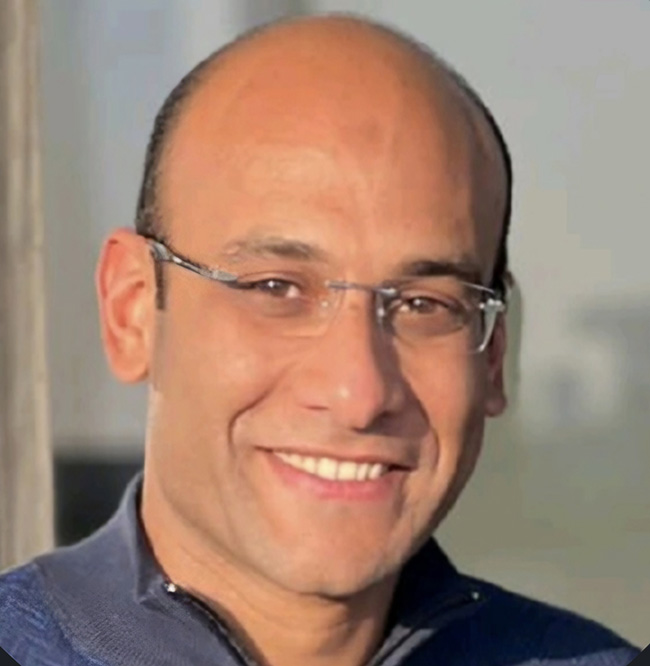
NEBOSH Diplomate Abdel Rahman Yousry is a Regional Health and Safety Manager at Unilever. In this interview, he shares valuable insights to help others succeed in health and safety.
When did you decide you wanted to work in health and safety and how did you secure your first opportunity in the profession?
My academic background is in oil and gas, and early in my career I secured internships with BP, Saipem and Khalda Petroleum. During these placements, I became aware of the EHS field and its importance. I found the subject interesting and was keen to learn more, particularly as EHS offered the opportunity to build a rewarding career without being tied to a single industry.
When I moved from oil and gas into FMCG, I decided this was the right time to focus more closely on EHS. I joined HJ Heinz as a Health, Safety and Sustainability Engineer and have been working in the health and safety profession ever since.
You passed your first NEBOSH qualification, the NEBOSH International General Certificate in Occupational Health and Safety, in 2014.
- Why did you choose it? - I chose the NEBOSH International General Certificate in Occupational Health and Safety after my research showed it was widely regarded as a high‑value qualification, often seen as the gold standard for health and safety professionals. It provides a broad-based understanding of health and safety issues and is a critical credential for anyone looking to build a career in the field, particularly in high-demand regions such as the Gulf, as well as within multinational FMCG organisations worldwide.
- How did achieving this qualification help your career? At that time, I was looking to strengthen my practical workplace skills, and that is exactly what the certificate provided. Through my studies, I learned about both quantitative and qualitative risk assessment methods, including when and how to apply them. I was introduced to Failure Modes and Effects Analysis (FMEA), which helped me assess risks within manufacturing processes, as well as Hazard and Operability Studies (HAZOP), which I used to identify potential deviations in fluid and gas systems within my workplace.
The qualification also taught me how to implement and audit an effective Health and Safety Management System, rather than simply following basic safety rules. Overall, it was a vital stepping stone that supported my growth in the health and safety profession.
In 2025 you completed the NEBOSH Level 6 International Diploma for Occupational Health and Safety Management Professionals International Diploma. Can you tell us why you chose this qualification and what benefits you gained from this success?
As I progressed in my career, it made sense to enrol on the NEBOSH Level 6 International Diploma to ensure my academic qualifications aligned with my role. I seeit as the NEBOSH qualification for managers and senior leaders, as it focuses on management systems and strengthening health and safety culture, rather than purely on technical standards.
It is also one of the most widely recognised qualifications in the Middle East and GCC region, particularly within the FMCG and construction sectors, compared to other qualifications at a similar level.
In one sentence, what has been the best thing you have learned through your NEBOSH studies?
My NEBOSH studies have encouraged me to broaden my perspective and take a more holistic view of health and safety. They have also helped me develop greater discipline and a more strategic mindset.
You work for Unilever. Can you tell us about the company please?
Unilever is a global consumer goods company headquartered in London, UK. Formed in 1929 through the merger of Lever Brothers and Margarine Unie, its roots date back to the 19th century. The company serves 3.7 billion people every day across 190 countries and is behind well-known brands including Dove, Knorr, and Vaseline. Its business is organised into four core divisions: Beauty and Wellbeing, Personal Care, Home Care, and Foods.
Please can you tell us about your role as a Regional Health and Safety Manager?
I joined Unilever in July 2026 as Regional Environment, Health and Safety Manager. In this role, I lead the development of a comprehensive health and safety roadmap across the North Africa, Levant and Iraq cluster, covering manufacturing operations in all business divisions, including both supply chain and go-to-market (GTM) functions.
The roadmap focuses on building health and safety capability, strengthening culture, and enhancing systems and procedures across the organisation to ensure operations are run safely and sustainably. Clear KPIs and health and safety targets have been established to measure progress, supported by positive engagement and recognition programmes that unite all business divisions behind a shared vision for safety.
I am not alone on this journey, as I lead a strong health and safety team, including country managers, site leads, site specialists and technicians, who play a vital role in driving continual improvement across the business.
Most of your health and safety experience has been gained in food manufacturing. What are the key health and safety issues that need to be considered in this sector?
Based on my experience, I would identify two critical health and safety challenges:
- Machinery safety – Employees interact with high‑speed machinery designed to manage large throughputs and meet production demand. As a result, workers are exposed to machinery‑related risks throughout their working shifts.
- Traffic management – Within production sites, raw materials, work‑in‑progress, and finished products must be moved continuously around the plant. This results in frequent movements of material‑handling equipment across the workplace, increasing the risk of people, particularly pedestrians, being struck by moving vehicles or equipment.
Both areas require thorough risk assessment and the implementation of robust control measures to ensure that these risks are effectively managed.
In your opinion what qualities do you believe a health and safety professional needs to be successful?
To be effective, I believe health and safety professionals need to be good listeners, have a strong curiosity for continuous learning, demonstrate discipline, and, most importantly, focus on what truly matters.
What do you enjoy most about being a health and safety professional?
I enjoy troubleshooting, particularly when it is linked to driving cultural improvement. Being effective requires more than simply gathering and understanding facts and figures; it also means considering the people and organisational dynamics involved. Taking a multi‑faceted view helps to identify the key factors at play and ensures that the right actions are taken.
What advice would you give to someone who wants to build their career in health and safety?
Building a career in health and safety is a marathon, not a sprint. It requires a unique blend of technical expertise, psychological insight, and business acumen. Particularly in fast‑paced environments such as Egypt’s FMCG sector, the era of the safety policeman is over. This is the era of the safety leader. My advice is as follows.
1. Build a solid educational foundation - Do not simply collect certificates; focus on understanding the frameworks behind them.
- The entry point: From my experience, the NEBOSH International General Certificate is a baseline requirement for the majority of professional HSE roles and is an excellent place to start.
- Specialisation: Depending on your industry and aspirations, consider adding technical depth through qualifications such as ISO 45001 (Lead Auditor), fire safety, or process safety.
- The strategic step: If you aspire to leadership roles, such as Senior Manager, Lead or Director, a Level 6 qualification like the NEBOSH International Diploma should form part of your long‑term plan.
2. Master the ‘soft’ side of safety - Technical knowledge helps identify risk, but soft skills are what enable it to be managed effectively.
- Influence: You will often need to persuade production or operational leaders to prioritise safety, particularly when this may involve slowing or stopping work. Learn to speak the language that matters to them, such as return on investment and operational efficiency.
- Psychology and behaviour: Understanding behaviour‑based safety can help explain why people take shortcuts and support more effective interventions, rather than relying on blame or punishment.
- Communication: The ability to translate complex legal and technical requirements into clear, practical messages is essential. Simple, relevant language is far more effective on the shop floor than legal jargon.
3. Integrate safety into business operations The most effective health and safety professionals do not treat safety as a separate function and influence co-workers to do the same.
- Understand the business: If you work in FMCG, learn the supply chain, the machinery, and the pressure points of the production environment.
- Think holistically: Consider how safety interventions will resonate across the business. Will they support stability, protect reputation, or safeguard the bottom line?
4. Develop a field‑first mentality - You cannot manage safety from behind a desk.
- Be visible: Aim to spend much of your time in operational areas. Presence builds credibility, insight, and trust.
- Lead with empathy: Approach safety with positive intent. Rather than saying, “You are doing this wrong,” ask, “How can we make this task easier and safer?” This mindset encourages openness, better solutions, and genuine workforce buy‑in.