
Stay up to date
Subscribe to our newsletter
Subscribe to get your monthly news and updates directly from NEBOSH.
Subscribe to get your monthly news and updates directly from NEBOSH.
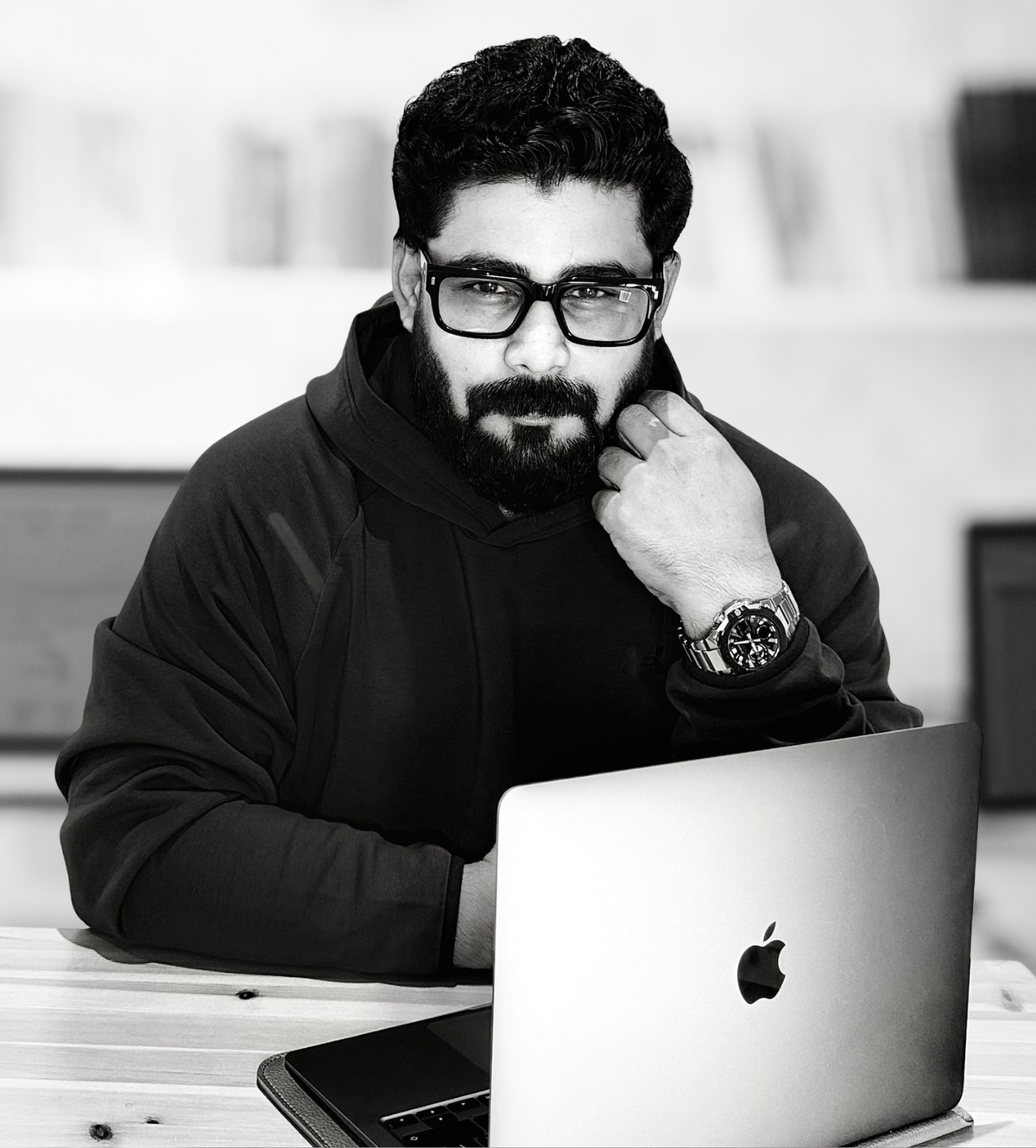
For Mohamed Shanil Mannil, building an international health and safety career was only the beginning. Now an HSE Instructor at Kuwait Drilling Company, he has supported more than 1,000 health and safety professionals through training and mentoring. In this interview, Shanil shares how his NEBOSH qualifications helped him access opportunities overseas, and his ambition to bring training and career guidance to the rural community where his own journey began.
Mohamed Shanil Mannil
HSE Instructor
Kuwait Drilling Company
24 November 2026
|When did you decide you wanted to work in health and safety, and how did you know it was the right career for you?
My professional journey began with completing my Bachelor of Technology (B.Tech) in Safety & Fire Engineering from Cochin University of Science and Technology (CUSAT), India. This provided me with a strong technical foundation and introduced me to the principles of fire safety, risk management, and occupational health and safety.
At that time, very few universities offered a specialised degree in Safety and Fire Engineering, and one of the key reasons I chose the course was its excellent campus placement opportunities. Initially, my decision was driven by career prospects rather than a deep understanding of the profession.
However, my perspective changed completely once I entered the industry. Working across construction, oil and gas, petrochemical, and industrial projects allowed me to see the real impact that health and safety professionals have. I realised that HSE is much more than ensuring compliance with regulations, it is about protecting lives, preventing injuries, safeguarding the environment, and creating a culture where people can return home safely every day.
That realisation confirmed that I had chosen the right career. Today, after more than 14 years in the profession, I find great satisfaction not only in managing workplace risks but also in mentoring and training the next generation of safety professionals. Knowing that my work contributes to protecting people and improving workplace safety is what continues to motivate me every day.
In 2013, you completed your first NEBOSH qualification, the International General Certificate. Why did you choose this qualification, and how did achieving this qualification help you?
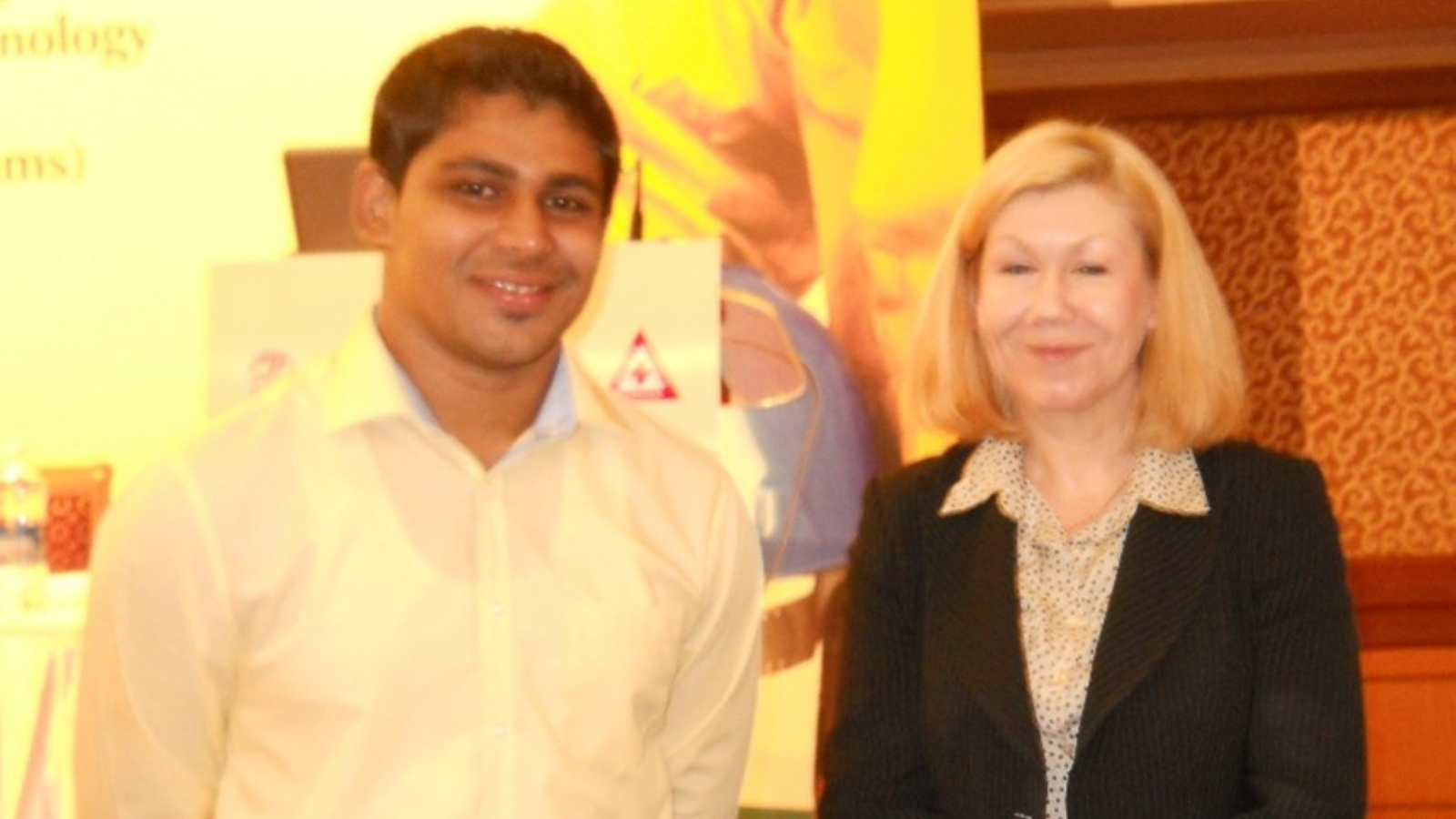
I first became aware of NEBOSH in 2012 during my final year at university. We organised SAFE 2012, a health and safety conference, where I had the opportunity to meet Teresa Budworth, who was the Chief Executive of NEBOSH at the time. That was my first introduction to the organisation and its global reputation.
After graduating with my degree in Safety and Fire Engineering, I was recruited through campus placement by Sesa Goa (part of Vedanta Limited) and began my career at a pig iron manufacturing plant. While I was gaining valuable industrial experience, I had a clear goal of building an international career, particularly in the GCC region.
I attended several interviews for Gulf opportunities, but unfortunately, I was not successful. Instead of getting discouraged, I carefully reviewed the job requirements and noticed a common trend: many employers specifically preferred or required candidates to hold the NEBOSH International General Certificate in Occupational Health and Safety.
That was a turning point for me. In 2013, I enrolled in the NEBOSH International General Certificate and successfully completed the qualification. The impact was immediate. The very first position I applied for after achieving the certificate was a shutdown project with EQUATE Petrochemical Company in Kuwait, and I was offered the job.
That experience showed me that the NEBOSH qualification was far more than a certificate to add to my CV. It demonstrated internationally recognised competence, gave employers confidence in my knowledge, and opened the door to my international career. From that moment onward, I truly understood the value of internationally recognised professional qualifications and the opportunities they can create.
You continued your learning by completing the NEBOSH Level 6 International Diploma for Occupational Health and Safety Management Professionals in 2017, and most recently the NEBOSH HSE Certificate in Health and Safety Leadership Excellence in 2024. Can you tell us about this?
Among the various milestones in my career, earning the NEBOSH International Diploma in 2017 stands out as one of the most significant. If I were to identify one achievement that has had the greatest impact on my career, it would undoubtedly be this qualification.
The NEBOSH International Diploma strengthened my technical knowledge, leadership capabilities, and professional competence in health and safety. It enhanced my credibility as an HSE professional, particularly across the GCC region, and opened doors to better career opportunities and professional growth. Most importantly, it contributed significantly to my career progression and increased earning potential.
The knowledge and confidence I gained through the Diploma also laid a strong foundation for achieving further internationally recognised credentials, including the Board of Certified Safety Professionals (BCSP) Certified Safety Professional (CSP) designation in 2025.
I am also proud to have completed the NEBOSH HSE Certificate in Safety Leadership Excellence. One of the key initiatives within the company I work for is strengthening safety leadership and enhancing the overall safety culture of the organisation. As part of this initiative, our Corporate HSE Manager introduced a Leadership Skills Development programme, and I was involved in developing and delivering this training to support supervisors and leaders in improving their safety leadership capabilities.
While developing this programme, I was guided by the principles from the NEBOSH HSE Certificate in Safety Leadership Excellence. The course provided practical insights into how effective leadership influences safety behaviours, team engagement, and organisational safety culture. I incorporated these concepts into the training programme to help our leaders move beyond compliance-based safety management and become proactive safety champions.
In one sentence, what has been the best thing you have learned through your NEBOSH studies?
The most valuable lesson I gained from my NEBOSH studies is a comprehensive understanding of health and safety management — from identifying workplace hazards and evaluating risks to selecting effective control measures, preparing suitable and sufficient risk assessments, and presenting management reports that support informed decision-making. NEBOSH's well-structured syllabus and high-quality learning materials gave me the knowledge and confidence to apply these principles effectively in real workplaces.
You’re currently an HSE Instructor at the Kuwait Drilling Company (KDC). Can you tell us a little bit about the company and what your role entails?
Kuwait Drilling Company (KDC) is one of the leading drilling contractors in Kuwait and the GCC region, and is a leading service provider in the drilling and workover industry, with operations across Kuwait and other countries, including Oman and Jordan. The company owns and operates a modern fleet of more than 40 land drilling and workover rigs and provides a wide range of services, including directional drilling and manpower supply services.
As an HSE Instructor, my primary responsibility is to develop the knowledge, competence, and safety awareness of our workforce. A major part of our role is to plan, coordinate, and deliver more than 50 certified and awareness training courses in line with client requirements and industry standards. These programmes are designed to ensure that employees have the required knowledge, skills, and competencies to perform their duties safely and effectively.
I design and deliver training programs covering a wide range of health, safety, and environmental topics, including hazard identification, risk assessment, permit to work, incident prevention, emergency response, leadership, and regulatory compliance. I also assess training effectiveness, mentor employees, maintain training records, and work closely with operational teams to ensure that safety knowledge is effectively translated into safe workplace practices.
"NEBOSH's well-structured syllabus and high-quality learning materials gave me the knowledge and confidence to apply health and safety principles effectively in real workplaces."
— Mohamed Shanil Mannil, HSE Instructor, Kuwait Drilling Company
You’re currently an HSE Instructor at the Kuwait Drilling Company (KDC). Can you tell us a little bit about the company and what your role entails?
Kuwait Drilling Company (KDC) is one of the leading drilling contractors in Kuwait and the GCC region, and is a leading service provider in the drilling and workover industry, with operations across Kuwait and other countries, including Oman and Jordan. The company owns and operates a modern fleet of more than 40 land drilling and workover rigs and provides a wide range of services, including directional drilling and manpower supply services.
As an HSE Instructor, my primary responsibility is to develop the knowledge, competence, and safety awareness of our workforce. A major part of our role is to plan, coordinate, and deliver more than 50 certified and awareness training courses in line with client requirements and industry standards. These programmes are designed to ensure that employees have the required knowledge, skills, and competencies to perform their duties safely and effectively.
I design and deliver training programs covering a wide range of health, safety, and environmental topics, including hazard identification, risk assessment, permit to work, incident prevention, emergency response, leadership, and regulatory compliance. I also assess training effectiveness, mentor employees, maintain training records, and work closely with operational teams to ensure that safety knowledge is effectively translated into safe workplace practices.
You’re also a mentor and coach – what inspired you to help others in the industry, and what practical tools do you leverage to do so?
My inspiration to become a mentor and coach came from my own professional journey and the support I received from experienced professionals throughout my career. When I started in the HSE field, I realised that guidance, knowledge sharing, and the right direction can make a significant difference in someone's professional growth. I wanted to give back to the industry by helping others avoid common challenges, develop their competence, and achieve their career goals.
Over the years, I have seen many safety professionals with great potential but limited access to structured guidance, especially when preparing for internationally recognised certifications and developing their technical and professional skills. This motivated me to support and mentor aspiring HSE professionals through their learning journey.
As a mentor and coach, I focus on a practical, application-based approach rather than solely on theoretical learning. I use structured study plans, real workplace examples, case studies, practice questions, mock examinations, and regular feedback sessions to help professionals understand concepts and apply them effectively. I also emphasise critical thinking, risk-based decision-making, and the ability to connect safety theories with real-world workplace situations.
For professional certification preparation, I provide structured guidance, exam strategies, learning resources, and continuous support to help candidates build both confidence and competence.
My goal as a mentor is not only to help people pass examinations but also to develop capable safety professionals who can make meaningful contributions to protecting people, organisations, and the environment.
You’ve worked across many sectors, from construction to oil & gas. Do you have any advice regarding switching sectors?
Yes, I have had the opportunity to work across multiple sectors, including construction, oil and gas, petrochemical, industrial projects, and drilling operations. Based on my experience, I strongly believe that working in different sectors can provide valuable exposure and significantly enhance a safety professional’s knowledge and capability.
Every industry has its own unique hazards, challenges, operational practices, safety systems, and workplace cultures. Exposure to different sectors helps professionals develop a broader understanding of risk management and allows them to learn how different organisations approach health and safety.
My advice to professionals, especially in the early stages of their careers, is not to limit themselves to only one industry or organisation. Working with different companies and sectors can build a much wider skill set, improve adaptability, and provide a better understanding of various management systems and safety cultures.
However, I would also recommend choosing organisations that have strong management systems, good safety cultures, and recognised industry practices, particularly during the early stages of a career. Learning from well-established companies provides a strong foundation and helps professionals understand what effective safety management looks like.
This experience becomes extremely valuable when moving into senior, leadership, or managerial roles, because professionals can bring knowledge from different industries and apply best practices to improve safety performance within new organisations. In fact, many organisations today look for leaders who have diverse industry exposure because they can offer broader perspectives and practical solutions.
Looking back on your career to date, what achievement are you most proud of?
Looking back on my career, I believe my greatest achievement is not a single qualification or job title; rather, it is my journey of continuous learning, professional development, and my ability to use my knowledge and experience to contribute to the growth of other health and safety professionals.
Beyond qualifications and professional recognition, what gives me the greatest satisfaction is the opportunity to share my knowledge and experience with others. Through my roles as an HSE Instructor, Approved Trainer, and Mentor, I have supported more than 1,000 HSE professionals through technical discussions, certification preparation, and professional guidance.
Seeing people achieve their professional goals, gain confidence, and progress in their careers is one of the most rewarding aspects of my journey.
For me, professional achievement is not measured only by the qualifications I hold or the positions I have occupied, but also by how effectively I apply my knowledge to improve workplace safety, develop people, and make a positive contribution to the HSE profession.
Ultimately, my greatest pride comes from the combination of continuous professional growth and the opportunity to make a difference in the careers of others.
Can you tell us about your ambitions for the future?
One of my biggest ambitions for the future is to establish a professional training and consultancy organisation in my hometown, particularly in the rural area where I come from.
I come from a rural background, where access to professional guidance, career counselling, and exposure to international educational and professional opportunities was quite limited. Although my parents were extremely supportive of my education and always encouraged me to pursue my ambitions, I did not have access to experienced professionals or mentors who could guide me in choosing the right career path, identifying professional qualifications, or exploring international opportunities.
Looking back, by God's grace, with the support of my parents, my determination, and continuous efforts, I have reached a position in my professional career that I am proud of. However, I often think about how much easier my journey could have been if I had received the right guidance and professional exposure at an early stage.
That experience has inspired my ambition.
I would like to establish a training and consultancy centre that serves not only my hometown but also the surrounding rural communities. My vision goes beyond conducting training programmes or running a commercial training institute. I want to create an environment where students, graduates, working professionals, and aspiring safety practitioners can access quality education, professional guidance, mentoring, and internationally recognised qualifications.
One of my key objectives is to create awareness about international professional certifications such as NEBOSH, IOSH, BCSP certifications (ASP and CSP), and other globally recognised qualifications. Many talented individuals are unaware of these opportunities, the career pathways they offer, or how to pursue them. I would like to bridge that knowledge gap by providing proper career guidance, structured training, examination preparation, and access to internationally recognised certification programmes through appropriate accreditation and awarding-body partnerships.
In addition to HSE training, I would also like to expand into professional development programmes, technical training, consultancy services, and industry-oriented skill development. I believe this initiative could help improve employability, develop local talent, and create opportunities for people who might otherwise have to travel long distances or rely on expensive training providers in major cities.
Most importantly, I want to give back to the community from which I started my journey. I would like to become the kind of mentor and guide that I wish I had when I was beginning my career.
My ultimate ambition is not just to build a successful training and consultancy company, but to build an institution that creates opportunities, develops professionals, promotes education, and transforms lives. If I can help even a few young people from my hometown discover the right career path and access opportunities they never thought possible, I would consider that one of my greatest contributions to society.
What do you see as the biggest challenge facing health and safety professionals today?
In my opinion, one of the biggest challenges facing health and safety professionals today is increasing competition in the job market and the growing concern of unemployment.
Over the years, the HSE profession has attracted a significant number of people from different educational and professional backgrounds. While this diversity can bring valuable perspectives to the industry, the availability of additional certifications and training programmes has also made it easier for people from various disciplines to enter the HSE field. As a result, the number of candidates competing for the same positions has increased significantly. The job market is no longer the same as it was several years ago, and simply holding a qualification or certificate may not be enough to secure a good position or progress in your career.
I strongly believe that competence is what differentiates a professional from the competition. Having qualifications is important, but professionals must also develop the technical knowledge, practical experience, problem-solving abilities, and leadership skills required to perform effectively.
This makes continuous professional development (CPD), regular training, and lifelong learning more important than ever. HSE professionals should consistently update their knowledge, keep themselves informed about industry developments, acquire relevant certifications, and develop new skills that add value to their organisations.
There is one important point I would like to emphasise: people understand the importance of investing their money for financial growth. They invest in property, businesses, savings, and other financial opportunities. However, many overlook one of the most valuable investments they can make — investing in themselves.
Investing in your knowledge, professional competence, skills, and personal development can deliver long-term returns throughout your career. A qualification may help you enter the profession, but your competence, experience, and commitment to continuous learning will help you sustain and progress in it.
My advice to fellow HSE professionals, particularly young and aspiring safety practitioners, is not to become complacent after obtaining a qualification or securing a job. Never stop learning, keep developing yourself, and invest consistently in your professional growth.
In today's competitive job market, your greatest asset is not just the qualification you hold, but the competence and value you bring to the organisation.
What would your advice be to anyone at the start of their health and safety career?
My first advice, particularly to fresh graduates and aspiring HSE professionals, is to follow your passion rather than simply follow the job market.
I have come across many people entering the HSE profession mainly because they believe it offers easy employment or attractive salaries. While these may be motivating factors, health and safety is a profession that requires genuine interest, commitment, responsibility, and continuous learning. Before choosing any career, understand the nature of the job, its duties, responsibilities, and challenges, and make sure it aligns with your interests and strengths. Don't choose a profession simply because you want to secure a job quickly.
Once you have chosen your career path, my second advice is consistency and continuous self-development. Never stop learning. Invest in relevant professional certifications, technical training, communication and language skills, and practical industry knowledge. Seek guidance from experienced professionals, learn from your mistakes, and gain exposure to different industries and workplace environments.
Remember, a qualification may help you enter the profession, but your knowledge, competence, experience, and attitude will determine how far you progress.
I strongly believe that every profession has its own value and opportunities. When you pursue your chosen profession with genuine passion, you naturally become more committed to learning, improving, and developing your expertise. With consistency and dedication, you can become an expert in your field. Once you establish yourself as an expert, better career opportunities, professional recognition, and attractive salary packages will follow.
Choose your profession with passion, build your career with consistency, and invest in yourself continuously. When you genuinely enjoy what you do, professional growth becomes a rewarding journey rather than just a means of earning a salary.
For Mohamed Shanil Mannil, building an international health and safety career was only the beginning. Now an HSE Instructor at Kuwait Drilling Company, he has supported more than 1,000 health and safety professionals through training and mentoring. In this interview, Shanil shares how his NEBOSH qualifications helped him access opportunities overseas, and his ambition to bring training and career guidance to the rural community where his own journey began.
Mohamed Shanil Mannil,
HSE Instructor,
Kuwait Drilling Company
24 November 2026
|When did you decide you wanted to work in health and safety, and how did you know it was the right career for you?
My professional journey began with completing my Bachelor of Technology (B.Tech) in Safety & Fire Engineering from Cochin University of Science and Technology (CUSAT), India. This provided me with a strong technical foundation and introduced me to the principles of fire safety, risk management, and occupational health and safety.
At that time, very few universities offered a specialised degree in Safety and Fire Engineering, and one of the key reasons I chose the course was its excellent campus placement opportunities. Initially, my decision was driven by career prospects rather than a deep understanding of the profession.
However, my perspective changed completely once I entered the industry. Working across construction, oil and gas, petrochemical, and industrial projects allowed me to see the real impact that health and safety professionals have. I realised that HSE is much more than ensuring compliance with regulations, it is about protecting lives, preventing injuries, safeguarding the environment, and creating a culture where people can return home safely every day.
That realisation confirmed that I had chosen the right career. Today, after more than 14 years in the profession, I find great satisfaction not only in managing workplace risks but also in mentoring and training the next generation of safety professionals. Knowing that my work contributes to protecting people and improving workplace safety is what continues to motivate me every day.
In 2013, you completed your first NEBOSH qualification, the International General Certificate. Why did you choose this qualification, and how did achieving this qualification help you?
I first became aware of NEBOSH in 2012 during my final year at university. We organised SAFE 2012, a health and safety conference, where I had the opportunity to meet Teresa Budworth, who was the Chief Executive of NEBOSH at the time. That was my first introduction to the organisation and its global reputation.
After graduating with my degree in Safety and Fire Engineering, I was recruited through campus placement by Sesa Goa (part of Vedanta Limited) and began my career at a pig iron manufacturing plant. While I was gaining valuable industrial experience, I had a clear goal of building an international career, particularly in the GCC region.
I attended several interviews for Gulf opportunities, but unfortunately, I was not successful. Instead of getting discouraged, I carefully reviewed the job requirements and noticed a common trend: many employers specifically preferred or required candidates to hold the NEBOSH International General Certificate in Occupational Health and Safety.
That was a turning point for me. In 2013, I enrolled in the NEBOSH International General Certificate and successfully completed the qualification. The impact was immediate. The very first position I applied for after achieving the certificate was a shutdown project with EQUATE Petrochemical Company in Kuwait, and I was offered the job.
That experience showed me that the NEBOSH qualification was far more than a certificate to add to my CV. It demonstrated internationally recognised competence, gave employers confidence in my knowledge, and opened the door to my international career. From that moment onward, I truly understood the value of internationally recognised professional qualifications and the opportunities they can create.
You continued your learning by completing the NEBOSH Level 6 International Diploma for Occupational Health and Safety Management Professionals in 2017, and most recently the NEBOSH HSE Certificate in Health and Safety Leadership Excellence in 2024. Can you tell us about this?
Among the various milestones in my career, earning the NEBOSH International Diploma in 2017 stands out as one of the most significant. If I were to identify one achievement that has had the greatest impact on my career, it would undoubtedly be this qualification.
The NEBOSH International Diploma strengthened my technical knowledge, leadership capabilities, and professional competence in health and safety. It enhanced my credibility as an HSE professional, particularly across the GCC region, and opened doors to better career opportunities and professional growth. Most importantly, it contributed significantly to my career progression and increased earning potential.
The knowledge and confidence I gained through the Diploma also laid a strong foundation for achieving further internationally recognised credentials, including the Board of Certified Safety Professionals (BCSP) Certified Safety Professional (CSP) designation in 2025.
I am also proud to have completed the NEBOSH HSE Certificate in Safety Leadership Excellence. One of the key initiatives within the company I work for is strengthening safety leadership and enhancing the overall safety culture of the organisation. As part of this initiative, our Corporate HSE Manager introduced a Leadership Skills Development programme, and I was involved in developing and delivering this training to support supervisors and leaders in improving their safety leadership capabilities.
While developing this programme, I was guided by the principles from the NEBOSH HSE Certificate in Safety Leadership Excellence. The course provided practical insights into how effective leadership influences safety behaviours, team engagement, and organisational safety culture. I incorporated these concepts into the training programme to help our leaders move beyond compliance-based safety management and become proactive safety champions.
In one sentence, what has been the best thing you have learned through your NEBOSH studies?
The most valuable lesson I gained from my NEBOSH studies is a comprehensive understanding of health and safety management — from identifying workplace hazards and evaluating risks to selecting effective control measures, preparing suitable and sufficient risk assessments, and presenting management reports that support informed decision-making. NEBOSH's well-structured syllabus and high-quality learning materials gave me the knowledge and confidence to apply these principles effectively in real workplaces.
You’re currently an HSE Instructor at the Kuwait Drilling Company (KDC). Can you tell us a little bit about the company and what your role entails?
Kuwait Drilling Company (KDC) is one of the leading drilling contractors in Kuwait and the GCC region, and is a leading service provider in the drilling and workover industry, with operations across Kuwait and other countries, including Oman and Jordan. The company owns and operates a modern fleet of more than 40 land drilling and workover rigs and provides a wide range of services, including directional drilling and manpower supply services.
As an HSE Instructor, my primary responsibility is to develop the knowledge, competence, and safety awareness of our workforce. A major part of our role is to plan, coordinate, and deliver more than 50 certified and awareness training courses in line with client requirements and industry standards. These programmes are designed to ensure that employees have the required knowledge, skills, and competencies to perform their duties safely and effectively.
I design and deliver training programs covering a wide range of health, safety, and environmental topics, including hazard identification, risk assessment, permit to work, incident prevention, emergency response, leadership, and regulatory compliance. I also assess training effectiveness, mentor employees, maintain training records, and work closely with operational teams to ensure that safety knowledge is effectively translated into safe workplace practices.
"NEBOSH's well-structured syllabus and high-quality learning materials gave me the knowledge and confidence to apply health and safety principles effectively in real workplaces."
— Mohamed Shanil Mannil, HSE Instructor, Kuwait Drilling Company
You’re currently an HSE Instructor at the Kuwait Drilling Company (KDC). Can you tell us a little bit about the company and what your role entails?
Kuwait Drilling Company (KDC) is one of the leading drilling contractors in Kuwait and the GCC region, and is a leading service provider in the drilling and workover industry, with operations across Kuwait and other countries, including Oman and Jordan. The company owns and operates a modern fleet of more than 40 land drilling and workover rigs and provides a wide range of services, including directional drilling and manpower supply services.
As an HSE Instructor, my primary responsibility is to develop the knowledge, competence, and safety awareness of our workforce. A major part of our role is to plan, coordinate, and deliver more than 50 certified and awareness training courses in line with client requirements and industry standards. These programmes are designed to ensure that employees have the required knowledge, skills, and competencies to perform their duties safely and effectively.
I design and deliver training programs covering a wide range of health, safety, and environmental topics, including hazard identification, risk assessment, permit to work, incident prevention, emergency response, leadership, and regulatory compliance. I also assess training effectiveness, mentor employees, maintain training records, and work closely with operational teams to ensure that safety knowledge is effectively translated into safe workplace practices.
You’re also a mentor and coach – what inspired you to help others in the industry, and what practical tools do you leverage to do so?
My inspiration to become a mentor and coach came from my own professional journey and the support I received from experienced professionals throughout my career. When I started in the HSE field, I realised that guidance, knowledge sharing, and the right direction can make a significant difference in someone's professional growth. I wanted to give back to the industry by helping others avoid common challenges, develop their competence, and achieve their career goals.
Over the years, I have seen many safety professionals with great potential but limited access to structured guidance, especially when preparing for internationally recognised certifications and developing their technical and professional skills. This motivated me to support and mentor aspiring HSE professionals through their learning journey.
As a mentor and coach, I focus on a practical, application-based approach rather than solely on theoretical learning. I use structured study plans, real workplace examples, case studies, practice questions, mock examinations, and regular feedback sessions to help professionals understand concepts and apply them effectively. I also emphasise critical thinking, risk-based decision-making, and the ability to connect safety theories with real-world workplace situations.
For professional certification preparation, I provide structured guidance, exam strategies, learning resources, and continuous support to help candidates build both confidence and competence.
My goal as a mentor is not only to help people pass examinations but also to develop capable safety professionals who can make meaningful contributions to protecting people, organisations, and the environment.
You’ve worked across many sectors, from construction to oil & gas. Do you have any advice regarding switching sectors?
Yes, I have had the opportunity to work across multiple sectors, including construction, oil and gas, petrochemical, industrial projects, and drilling operations. Based on my experience, I strongly believe that working in different sectors can provide valuable exposure and significantly enhance a safety professional’s knowledge and capability.
Every industry has its own unique hazards, challenges, operational practices, safety systems, and workplace cultures. Exposure to different sectors helps professionals develop a broader understanding of risk management and allows them to learn how different organisations approach health and safety.
My advice to professionals, especially in the early stages of their careers, is not to limit themselves to only one industry or organisation. Working with different companies and sectors can build a much wider skill set, improve adaptability, and provide a better understanding of various management systems and safety cultures.
However, I would also recommend choosing organisations that have strong management systems, good safety cultures, and recognised industry practices, particularly during the early stages of a career. Learning from well-established companies provides a strong foundation and helps professionals understand what effective safety management looks like.
This experience becomes extremely valuable when moving into senior, leadership, or managerial roles, because professionals can bring knowledge from different industries and apply best practices to improve safety performance within new organisations. In fact, many organisations today look for leaders who have diverse industry exposure because they can offer broader perspectives and practical solutions.
Looking back on your career to date, what achievement are you most proud of?
Looking back on my career, I believe my greatest achievement is not a single qualification or job title; rather, it is my journey of continuous learning, professional development, and my ability to use my knowledge and experience to contribute to the growth of other health and safety professionals.
Beyond qualifications and professional recognition, what gives me the greatest satisfaction is the opportunity to share my knowledge and experience with others. Through my roles as an HSE Instructor, Approved Trainer, and Mentor, I have supported more than 1,000 HSE professionals through technical discussions, certification preparation, and professional guidance.
Seeing people achieve their professional goals, gain confidence, and progress in their careers is one of the most rewarding aspects of my journey.
For me, professional achievement is not measured only by the qualifications I hold or the positions I have occupied, but also by how effectively I apply my knowledge to improve workplace safety, develop people, and make a positive contribution to the HSE profession.
Ultimately, my greatest pride comes from the combination of continuous professional growth and the opportunity to make a difference in the careers of others.
Can you tell us about your ambitions for the future?
One of my biggest ambitions for the future is to establish a professional training and consultancy organisation in my hometown, particularly in the rural area where I come from.
I come from a rural background, where access to professional guidance, career counselling, and exposure to international educational and professional opportunities was quite limited. Although my parents were extremely supportive of my education and always encouraged me to pursue my ambitions, I did not have access to experienced professionals or mentors who could guide me in choosing the right career path, identifying professional qualifications, or exploring international opportunities.
Looking back, by God's grace, with the support of my parents, my determination, and continuous efforts, I have reached a position in my professional career that I am proud of. However, I often think about how much easier my journey could have been if I had received the right guidance and professional exposure at an early stage.
That experience has inspired my ambition.
I would like to establish a training and consultancy centre that serves not only my hometown but also the surrounding rural communities. My vision goes beyond conducting training programmes or running a commercial training institute. I want to create an environment where students, graduates, working professionals, and aspiring safety practitioners can access quality education, professional guidance, mentoring, and internationally recognised qualifications.
One of my key objectives is to create awareness about international professional certifications such as NEBOSH, IOSH, BCSP certifications (ASP and CSP), and other globally recognised qualifications. Many talented individuals are unaware of these opportunities, the career pathways they offer, or how to pursue them. I would like to bridge that knowledge gap by providing proper career guidance, structured training, examination preparation, and access to internationally recognised certification programmes through appropriate accreditation and awarding-body partnerships.
In addition to HSE training, I would also like to expand into professional development programmes, technical training, consultancy services, and industry-oriented skill development. I believe this initiative could help improve employability, develop local talent, and create opportunities for people who might otherwise have to travel long distances or rely on expensive training providers in major cities.
Most importantly, I want to give back to the community from which I started my journey. I would like to become the kind of mentor and guide that I wish I had when I was beginning my career.
My ultimate ambition is not just to build a successful training and consultancy company, but to build an institution that creates opportunities, develops professionals, promotes education, and transforms lives. If I can help even a few young people from my hometown discover the right career path and access opportunities they never thought possible, I would consider that one of my greatest contributions to society.
What do you see as the biggest challenge facing health and safety professionals today?
In my opinion, one of the biggest challenges facing health and safety professionals today is increasing competition in the job market and the growing concern of unemployment.
Over the years, the HSE profession has attracted a significant number of people from different educational and professional backgrounds. While this diversity can bring valuable perspectives to the industry, the availability of additional certifications and training programmes has also made it easier for people from various disciplines to enter the HSE field. As a result, the number of candidates competing for the same positions has increased significantly. The job market is no longer the same as it was several years ago, and simply holding a qualification or certificate may not be enough to secure a good position or progress in your career.
I strongly believe that competence is what differentiates a professional from the competition. Having qualifications is important, but professionals must also develop the technical knowledge, practical experience, problem-solving abilities, and leadership skills required to perform effectively.
This makes continuous professional development (CPD), regular training, and lifelong learning more important than ever. HSE professionals should consistently update their knowledge, keep themselves informed about industry developments, acquire relevant certifications, and develop new skills that add value to their organisations.
There is one important point I would like to emphasise: people understand the importance of investing their money for financial growth. They invest in property, businesses, savings, and other financial opportunities. However, many overlook one of the most valuable investments they can make — investing in themselves.
Investing in your knowledge, professional competence, skills, and personal development can deliver long-term returns throughout your career. A qualification may help you enter the profession, but your competence, experience, and commitment to continuous learning will help you sustain and progress in it.
My advice to fellow HSE professionals, particularly young and aspiring safety practitioners, is not to become complacent after obtaining a qualification or securing a job. Never stop learning, keep developing yourself, and invest consistently in your professional growth.
In today's competitive job market, your greatest asset is not just the qualification you hold, but the competence and value you bring to the organisation.
What would your advice be to anyone at the start of their health and safety career?
My first advice, particularly to fresh graduates and aspiring HSE professionals, is to follow your passion rather than simply follow the job market.
I have come across many people entering the HSE profession mainly because they believe it offers easy employment or attractive salaries. While these may be motivating factors, health and safety is a profession that requires genuine interest, commitment, responsibility, and continuous learning. Before choosing any career, understand the nature of the job, its duties, responsibilities, and challenges, and make sure it aligns with your interests and strengths. Don't choose a profession simply because you want to secure a job quickly.
Once you have chosen your career path, my second advice is consistency and continuous self-development. Never stop learning. Invest in relevant professional certifications, technical training, communication and language skills, and practical industry knowledge. Seek guidance from experienced professionals, learn from your mistakes, and gain exposure to different industries and workplace environments.
Remember, a qualification may help you enter the profession, but your knowledge, competence, experience, and attitude will determine how far you progress.
I strongly believe that every profession has its own value and opportunities. When you pursue your chosen profession with genuine passion, you naturally become more committed to learning, improving, and developing your expertise. With consistency and dedication, you can become an expert in your field. Once you establish yourself as an expert, better career opportunities, professional recognition, and attractive salary packages will follow.
Choose your profession with passion, build your career with consistency, and invest in yourself continuously. When you genuinely enjoy what you do, professional growth becomes a rewarding journey rather than just a means of earning a salary.
